





Contents
Why Did Twitter Ban Trump?

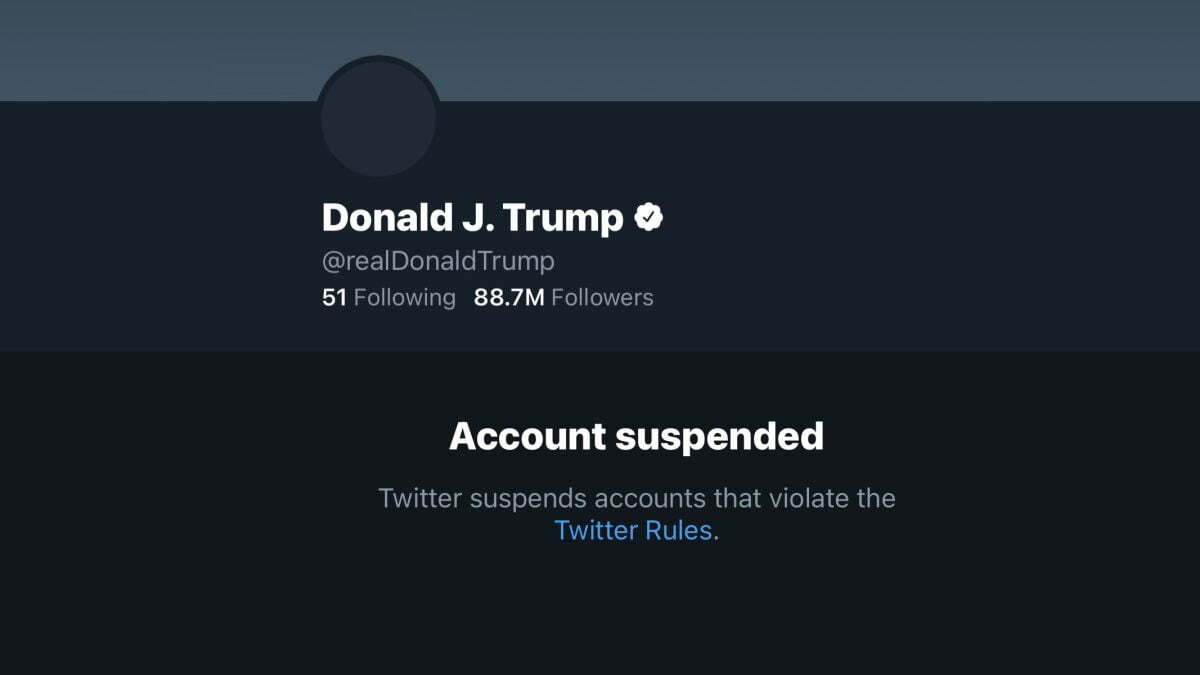
When Twitter decided to ban Trump, some of the tweets it saw were a problem. He tweeted support for rioters and people who think he won the 2020 election. He also tweeted that he wouldn’t attend the inauguration of his rival, Joe Biden. Twitter claimed that these two tweets may have inspired violence in 2021. It also undermined trust in the platform and restricted free speech. But why did Twitter ban Trump?
Twitter’s decision to ban trump is a dangerous precedent
While tweets that include Trump aren’t likely to be deleted in the near future, they are still potentially dangerous, and Twitter’s decision to permanently ban him is an example of this risk. The decision to ban Trump isn’t due to any legal problem, but rather to a fear that such a move will create a precedent. Read also : How to Tag Friends on Twitter. Whether Trump was actually banned from Twitter is another question, but it’s clear that the president’s speech constituted an incitement to violence. Twitter’s decision to ban Trump is a clear reflection of its failure to maintain a safe space.
The immediate consequences were obvious: the removal of Trump from Twitter left him with only 88 million followers. But Twitter also exposed itself to accusations of censorship from Republicans. Meanwhile, Democrats blasted Twitter for enabling Trump, and warned of new legislation targeting the tech industry. However, Dorsey noted that his decision sets a dangerous precedent because it shows the extent of power that Big Tech companies wield without accountability.

It undermines trust in the platform
As the social media landscape continues to evolve, the debate over what content should be published on platforms is increasingly polarized. While some users are satisfied with the amount of information they consume, others are more concerned about misinformation, commercial agendas, and privacy intrusions. This may interest you : How to Remove Followers From Twitter. While some users may not have been aware of these issues, many people trust the platforms’ verification processes and believe they have experts on their side. Moreover, many appreciate the range of perspectives available on platforms.
The emergence of these platforms also exacerbates social injustice. People pay attention to social cues and rank order when they seek out news or information on social networks. As a result, they struggle to determine where the information they are consuming is coming from. However, many people continue to see these platforms as helpful and indispensable tools, despite their alleged lack of accuracy. This is especially problematic if news sources and platforms are meant to be neutral, and can therefore be untrustworthy.

It limits free speech
The question of how to limit free speech is a pressing one. Recent events have proven the importance of this right, from the white-nationalist demonstrations in Charlottesville, Virginia, to the protests by “anti-ifa” activists and Black Lives Matter supporters. This may interest you : How to Change Twitter Language. The popularity of Rush Limbaugh and porn star Larry Flynt – both of whom were considered heroes of free speech – have raised concern about the rights of protesters.
In the past, governments have tried to censor speech based on the content. In Canada, for example, a government employee can be fired for interfering with the efficiency of an employer, while high school students can face consequences for using vulgar language in school. The government may also insist on limiting free speech by demanding that government funds not be used to promote opposing views. Free speech is also restricted in government buildings and land, and it is restricted for military and prisoners.

It reduces abusive behavior
It’s important for victims of abuse to realize that they are half the problem. While defending oneself or leaving the abusive person is an option, passive avoidance only escalates the situation. This is why looking away is more effective than meeting the gaze of an abuser. Clinical psychologist Dena DiNardo in Philadelphia advises against confronting an abusive person during an argument or heated exchange. You should also expect resistance when confronting an abusive person.
In addition to counseling victims, organizations can take steps to prevent and mitigate the effects of abusive behavior. By developing disciplinary processes for those who violate the law, employers can encourage victims to come forward and tell them that their claims will be taken seriously. Research has shown that direct coping results in better outcomes than avoidance, so organizations should encourage rank-and-file employees to report abusive behavior and train managers to recognize the signs of abusive behavior.
It reduces spread of harmful speech
Disinformation is a common form of harmful speech, and the internet is no different. Whether the intention is to spread hatred or misrepresent facts, disinformation is intended to sway public opinion. Some examples of harmful speech include targeted harassment on Twitter and hate-themed videos on YouTube and Facebook. Others involve the unauthorized release of personal information on Reddit. The law applies to text, video, and audio content.
The Canadian government has a number of important roles in the fight against harmful speech online. It can act as a policymaker and enforcer, as well as a facilitator of dialogue and coordination among stakeholders. Three near-term action tracks have been identified that can be undertaken by the federal government to address this issue. They are: (1) clarify the risks of harmful speech online; (2) synthesize existing knowledge on the phenomenon; and (3) analyze existing policies to identify promising strategies for combating online hate speech.